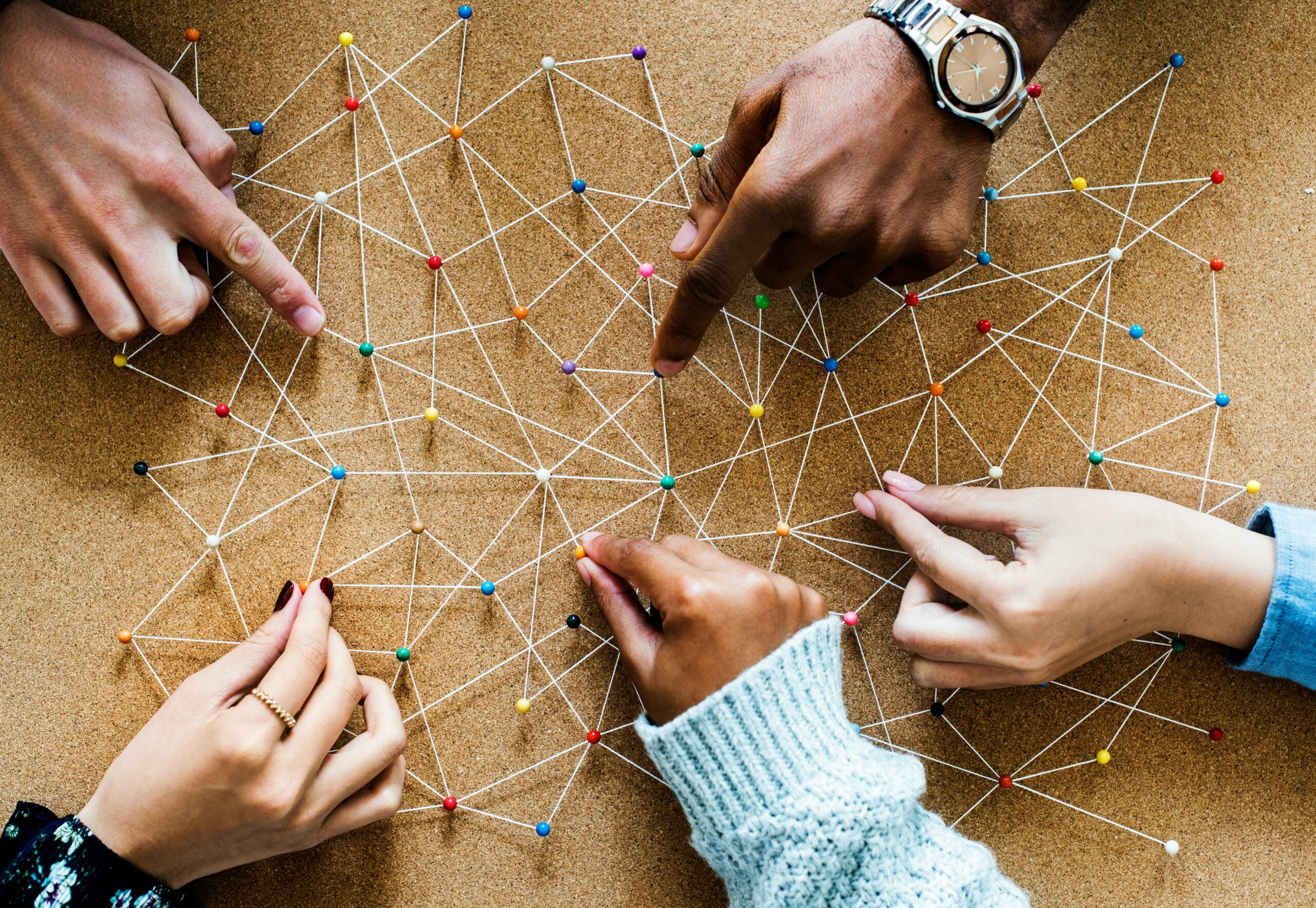
New development projects do more than change skylines. They shape how people live, interact, and feel about their neighborhoods. When developers ignore existing communities, projects often face resistance, delays, and long-term social tension. When communities feel included, developments gain trust, relevance, and lasting value.
Community integration is not a one-time effort. It is an ongoing process that begins long before construction and continues after people move in. Successful projects listen first, adapt thoughtfully, and grow alongside the people they affect.
Understanding the Community Before Building
Every community has a story. It includes shared values, local history, cultural practices, and daily routines. Ignoring these elements can create spaces that feel disconnected or unwanted.
Before finalizing designs or plans, developers must spend time in the area. They should observe how people use public spaces, where they gather, and what matters to them. Conversations with residents provide insights that surveys often miss. This early understanding helps avoid design choices that clash with local identity.
When developers respect a community’s character, projects feel like a natural extension rather than an intrusion.
Building Trust Through Early Engagement
Trust does not appear overnight. It grows through consistent and honest communication. Many communities resist new developments because they feel decisions happen behind closed doors.
Developers should engage residents at the earliest stages. Sharing goals, constraints, and timelines sets realistic expectations. Open discussions also help address fears about displacement, noise, traffic, and rising costs.
When people feel heard, they become more open to collaboration. Even when disagreements arise, transparency helps prevent conflict from escalating.
Designing Spaces That Encourage Interaction
Physical design plays a significant role in community integration. Developments that focus only on buildings often miss opportunities to connect people.
Well-designed public spaces invite interaction. Walkable streets, shared courtyards, parks, and community centers encourage daily encounters. These spaces help new and existing residents build relationships naturally.
Design should also reflect local habits. A neighborhood that values outdoor life benefits from shaded seating and green areas. A culturally rich area may need spaces for gatherings, markets, or events. Thoughtful design strengthens social bonds without forcing them.
Supporting Local Businesses and Services
New developments can either weaken or strengthen local economies. When projects rely solely on external retailers or services, they drain value from the surrounding area.
Supporting local businesses helps communities feel included. Offering affordable commercial spaces allows small businesses to grow alongside the development. This approach preserves local character and keeps economic benefits within the neighborhood.
Local services also make developments more practical. Residents prefer familiar shops, cafés, and professionals they already trust. This balance creates continuity instead of disruption.
Addressing Housing Affordability and Inclusion
One of the biggest concerns around new development is affordability. Rising property values often push long-term residents out of their own neighborhoods.
Developers must address this issue directly. Mixed-income housing helps maintain diversity and social balance. Offering a range of unit sizes and price points allows people from diverse backgrounds to coexist.
When developments include affordable options, they send a clear message. The project is not just for newcomers. It is for the whole community.
Respecting Cultural and Social Identity
Communities are shaped by culture. Festivals, traditions, places of worship, and social customs give neighborhoods their identity. Development projects should protect these elements, not erase them.
Design choices can reflect cultural heritage through architecture, materials, and public art. Preserving historic landmarks strengthens emotional ties to place. Supporting cultural events helps maintain continuity during change.
When people see their identity respected, they feel pride rather than loss.
Managing Construction Impacts Responsibly
Integration does not pause during construction. Noise, dust, and traffic can strain relationships if not managed carefully.
Clear communication during this phase is essential. Developers should inform residents about schedules, disruptions, and safety measures. Adjusting work hours when possible shows respect for daily routines.
Small gestures matter. Clean sites, safe walkways, and quick responses to complaints build goodwill. These efforts reduce frustration and maintain trust throughout the process.
Encouraging Long-Term Community Participation
Community integration continues after completion. Once people move in, the focus shifts to long-term engagement.
Developments benefit from spaces that support ongoing participation. Community rooms, notice boards, and shared programs encourage interaction. Partnerships with local organizations help sustain social activity.
Developers who remain involved after handover demonstrate commitment. This long-term presence reassures residents that the project values people, not just profits.
Collaborating With Local Authorities and Groups
Local governments, nonprofits, and community groups play a key role in integration. They understand regulations, social needs, and regional challenges.
Working closely with these stakeholders improves outcomes. Collaboration helps align projects with broader planning goals and social initiatives. It also ensures compliance while reducing delays.
Community groups often act as bridges between developers and residents. Their involvement builds credibility and fosters cooperation.
Measuring Success Beyond Profit
Financial performance matters, but it should not be the only measure of success. Truly integrated developments create social value.
Success shows in active public spaces, stable communities, and positive relationships. Low vacancy rates and strong local support reflect the market’s long-term viability.
Developers who focus on social outcomes often achieve better financial results as well. People choose places where they feel connected and respected.
Integrating communities into new development projects requires care, patience, and genuine effort. It starts with listening and continues through design, construction, and long-term management.
When developers prioritize people, projects gain acceptance and resilience. Communities thrive when growth respects their identity and needs. The result is development that benefits everyone, today and in the future.