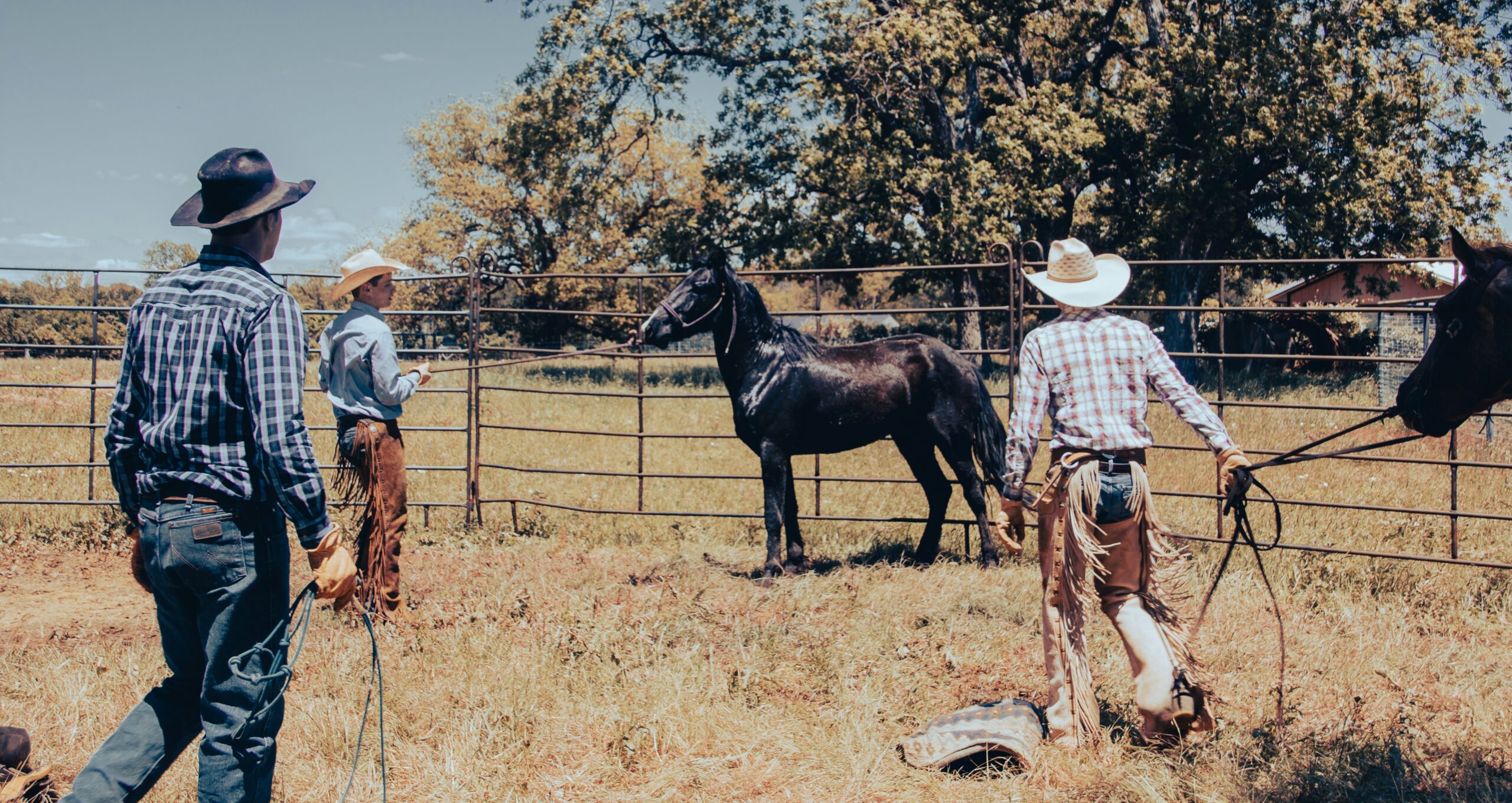
Ranching has always relied on experience, instinct, and a deep connection to the land. Generations of ranchers have built successful operations using time-tested methods passed down through families. Today, new tools are entering the picture. Technology is not replacing tradition. Instead, it is strengthening it. When used with care, modern tools help ranchers protect their herds, improve efficiency, and preserve their way of life.
Technology integration in ranch operations is not about turning fields into factories. It is about using practical solutions that respect the rhythm of ranch work while solving long-standing challenges.
Respecting Tradition While Embracing Change
Many ranchers worry that technology may disrupt established routines. This concern is understandable. Ranching depends on knowledge gained through years of observation and hands-on work. Technology works best when it supports that expertise rather than overrides it.
For example, digital record keeping does not replace a rancher’s judgment. It simply makes information easier to access. Weather tracking tools do not control nature. They help ranchers prepare for it. When technology serves as a companion rather than a commander, it fits naturally into traditional ranch operations.
Improving Livestock Health and Care
Animal health sits at the heart of every successful ranch. Monitoring livestock has always required long hours and careful observation. Technology now adds another layer of support. Wearable sensors help track animal movement, feeding patterns, and body temperature. These tools alert ranchers to early signs of illness or stress.
Early detection saves time and reduces losses. A rancher can respond before a minor issue becomes a serious problem. This approach improves animal welfare and lowers veterinary costs. Most importantly, it allows ranchers to focus their attention where it matters most.
Smarter Grazing and Land Management
Healthy land sustains healthy herds. Managing grazing patterns has always been a balancing act. Overgrazing damages soil, while underuse wastes resources. Technology now helps ranchers make better grazing decisions.
Satellite imagery and mapping tools provide clear views of pasture conditions. Ranchers can see changes in vegetation and soil moisture across large areas. This insight supports rotational grazing plans that protect grasslands and improve long-term productivity.
By combining visual data with firsthand knowledge, ranchers maintain soil health and reduce erosion. The land remains productive for future generations.
Water Management in Remote Areas
Water access defines ranch success, especially in dry regions. Traditional methods rely on regular checks of wells, tanks, and pipelines. These checks take time and fuel. Technology reduces that burden.
Remote water monitoring systems alert ranchers when levels drop or equipment fails. This immediate feedback prevents livestock from going without water. It also reduces emergency repairs and long-distance travel.
Reliable water management improves daily operations and reduces stress. Ranchers gain peace of mind while maintaining control over their resources.
Enhancing Daily Operations Efficiency
Ranch work demands long days and careful planning. Technology helps streamline daily tasks without removing the human touch. Digital scheduling tools support better coordination during busy seasons. Equipment tracking systems reduce downtime by alerting ranchers to maintenance needs.
These improvements free up time. Ranchers can spend more time in the field rather than managing paperwork or troubleshooting breakdowns. Efficiency does not mean working less. It means working smarter while preserving energy for critical decisions.
Weather Awareness and Risk Reduction
Weather has always shaped ranch life. Storms, droughts, and temperature swings affect livestock and crops alike. Modern forecasting tools provide more accurate and timely information.
Ranchers now receive detailed alerts about approaching weather changes. This knowledge supports better planning for livestock feeding, shelter, and movement. It reduces losses and improves safety for both animals and people.
When ranchers understand what is coming, they can act with confidence rather than react in crisis.
Strengthening Financial Management
Financial stability keeps ranches operating across generations. Managing costs and tracking income can become complex, especially as operations grow. Technology simplifies this process.
Digital accounting tools help ranchers monitor expenses and profits in real time. Clear records support better decision-making and long-term planning. They also make it easier to work with lenders and partners.
Financial clarity strengthens independence. Ranchers maintain control over their business while planning for future investments.
Preserving Knowledge for Future Generations
One of the most significant values in ranching is knowledge passed from one generation to the next. Technology helps preserve this knowledge in new ways. Digital records capture grazing patterns, herd health histories, and land improvements over time.
Young ranchers gain access to decades of experience through stored data. They learn faster and make informed decisions while honoring traditional wisdom. Technology becomes a bridge between generations, not a barrier.
Overcoming Challenges to Adoption
Integrating technology does not come without challenges. Costs, learning curves, and connectivity issues can slow adoption. Rural areas often have limited internet access, which can affect the reliability of tools.
These obstacles require thoughtful solutions. Many ranchers start small, choosing one tool that addresses a specific need. Gradual adoption builds confidence and reduces risk. Training and support from trusted sources also play a key role.
Technology works best when it fits the ranch, not the other way around.
Balancing Innovation and Independence
Ranchers value independence. Any tool that threatens that independence faces resistance. Technology must support self-reliance rather than create dependence on outside systems.
Choosing flexible tools with local control helps maintain autonomy. Ranchers decide how data is used and when tools are applied. This balance protects ranching culture while allowing innovation to take root.
The Future of Traditional Ranch Operations
The future of ranching lies in thoughtful integration. Tradition provides the foundation. Technology adds strength. Together, they create resilient operations capable of facing modern challenges.
Ranchers who integrate technology with intention protect their land, care for their livestock, and sustain their livelihoods. They prove that progress does not require abandoning heritage. It requires adapting with purpose.
Technology will continue to evolve. Ranching will too. By honoring tradition and embracing practical tools, ranchers ensure their operations remain productive, sustainable, and deeply connected to the land.