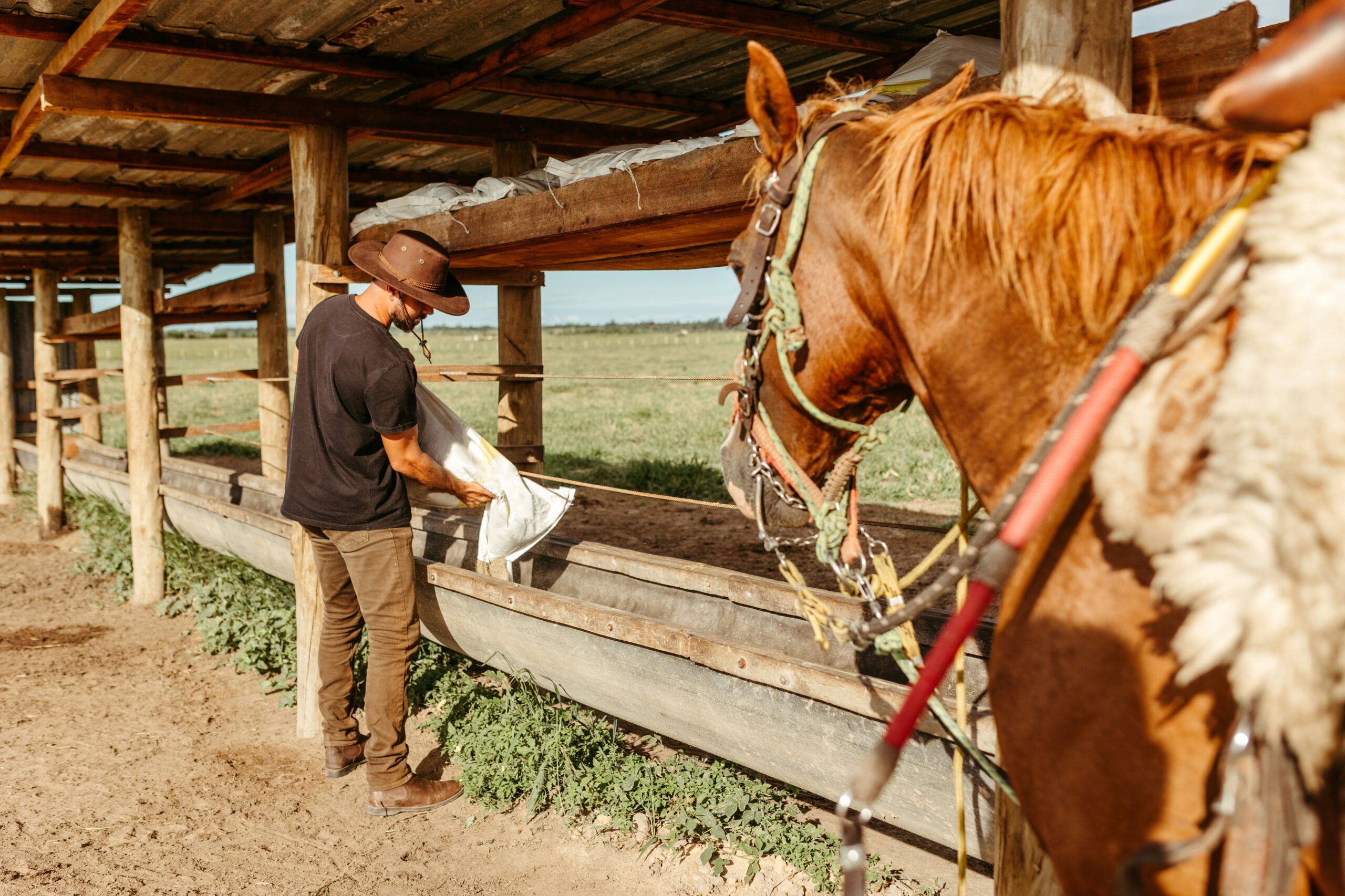
Technology integration in ranch management continues to reshape how ranchers care for livestock, manage land, and improve productivity. For generations, ranchers relied on experience, observation, and hard work to sustain their operations. Today, they still value those traditions. However, they also embrace digital tools that strengthen decision-making and streamline daily tasks. As a result, modern ranches combine time-tested knowledge with advanced systems to build more resilient and profitable operations.
The Evolution of Traditional Ranch Management Practices
Traditional ranch management practices center on livestock care, pasture rotation, water access, and seasonal planning. Ranchers monitor herd health, inspect fencing, and track grazing patterns through direct observation. Moreover, they depend on intuition shaped by years of hands-on experience. These methods build deep connections between ranchers and their land.
However, challenges such as climate variability, rising costs, and labor shortages demand new strategies. Therefore, many ranchers now integrate technology in ranch management to maintain efficiency without sacrificing heritage. By blending innovation with tradition, they protect their livelihoods while adapting to changing conditions.
Precision Livestock Farming and Smart Monitoring
Precision livestock farming stands at the forefront of smart ranching technology. Ranchers use wearable sensors, GPS tags, and health monitoring devices to track animal movement, temperature, and behavior. Consequently, they identify illness earlier and respond quickly to potential issues.
For example, a GPS collar allows a rancher to monitor grazing patterns in real time. If a cow separates from the herd, the system sends an alert. As a result, the rancher saves time and prevents losses. In addition, health tracking devices measure vital signs and flag irregularities. This proactive approach improves animal welfare and reduces veterinary expenses.
Furthermore, data-driven livestock management helps ranchers analyze breeding performance and weight-gain trends. They use this information to adjust feed plans and improve herd genetics. Because of these insights, ranchers make informed decisions rather than relying solely on guesswork.
Drones and Aerial Imaging for Land Management
Drones have transformed land monitoring on large ranches. Traditionally, ranchers spent hours on horseback or in trucks to inspect fences and water sources. Now, they deploy drones to capture aerial images in minutes. Consequently, they detect broken fences, water shortages, and pasture damage more efficiently.
In addition, aerial imaging supports sustainable ranching with technology. Ranchers assess vegetation health and soil conditions through high-resolution images. Therefore, they rotate grazing areas more strategically and prevent overgrazing. Healthy pastures support livestock nutrition and long-term land productivity.
Moreover, drones reduce labor demands and fuel costs. While traditional methods still play a role, aerial tools enhance visibility across vast properties. This combination strengthens overall ranch management technology solutions.
Smart Water Systems and Resource Efficiency
Water management remains critical in traditional ranch management practices. Ranchers depend on reliable water sources for livestock and crops. However, unpredictable weather patterns create new risks. Therefore, many ranchers install smart water systems with remote sensors.
These systems monitor water levels in tanks and reservoirs. If levels drop, the system sends a notification. As a result, ranchers address problems before livestock suffer dehydration. Additionally, automated pumps regulate water flow and reduce waste. Efficient water use supports both environmental stewardship and cost savings.
Similarly, soil moisture sensors guide irrigation decisions. Instead of irrigating on a fixed schedule, ranchers respond to real-time data. Consequently, they conserve water and promote healthier pasture growth. Smart ranching technology strengthens sustainability while preserving traditional land care values.
Data Management Software for Strategic Planning
Digital record keeping plays a vital role in technology integration in ranch management. In the past, ranchers stored records in notebooks or spreadsheets. Today, specialized software centralizes data on livestock health, feed inventory, breeding cycles, and financial performance.
Because ranch management technology solutions store data on a single platform, ranchers can access information quickly. They analyze trends, compare seasons, and forecast expenses. Therefore, they plan budgets more accurately and reduce financial uncertainty.
In addition, cloud-based systems allow ranchers to access records from mobile devices. While they work in the field, they update herd information in real time. This flexibility increases efficiency and minimizes paperwork.
Moreover, data-driven livestock management supports compliance with industry regulations. Accurate records demonstrate traceability and responsible practices. As consumer demand for transparency grows, digital documentation strengthens market credibility.
Renewable Energy and Sustainable Ranching
Sustainability remains a priority for many ranchers. Therefore, they integrate renewable energy systems, such as solar panels and wind turbines, into their daily operations. These technologies power water pumps, electric fencing, and monitoring equipment.
By generating on-site clean energy, ranchers reduce their reliance on external utilities. Consequently, they lower operating costs and decrease environmental impact. Renewable systems also provide reliable power in remote areas where traditional infrastructure may fail.
Furthermore, sustainable ranching with technology enhances long-term land health. Ranchers track carbon sequestration, manage grazing intensity, and protect biodiversity through digital mapping tools. As a result, they balance productivity with environmental responsibility.
Training and Cultural Shifts on the Ranch
Although technology offers clear benefits, successful integration requires education and adaptability. Ranchers must learn to interpret data and maintain digital systems. Therefore, many attend workshops, collaborate with agricultural extension services, and partner with technology providers.
Importantly, technology does not replace traditional knowledge. Instead, it complements experience and intuition. For example, a sensor may detect unusual animal behavior, yet a seasoned rancher still evaluates the situation based on years of observation. This synergy strengthens decision-making.
Moreover, younger generations often drive digital adoption on family ranches. They introduce innovative tools while respecting established practices. Consequently, ranch operations evolve without losing their cultural roots.
Economic Benefits of Smart Ranching Systems
Integrating technology on cattle ranches creates measurable financial advantages. First, improved herd health reduces mortality rates and veterinary costs. Second, optimized grazing management increases weight gain and feed efficiency. Third, automated systems lower labor expenses and save time.
Because ranchers rely on accurate data, they minimize waste and avoid costly mistakes. For instance, predictive analytics help forecast feed needs during drought conditions. As a result, ranchers secure supplies early and avoid price spikes.
Additionally, technology enhances market competitiveness. Buyers increasingly value traceable and sustainably raised livestock. Digital tracking systems provide proof of responsible management. Therefore, ranchers access premium markets and strengthen profitability.
The Future of Technology Integration in Ranch Management
Technology integration in ranch management will continue to advance. Artificial intelligence, machine learning, and advanced analytics will offer deeper insights into herd performance and environmental conditions. However, ranchers will still depend on practical skills and local knowledge.
As innovation accelerates, ranchers must carefully evaluate tools. They should select systems that align with their operational goals and budget constraints. Moreover, they must maintain a balance between automation and hands-on involvement.
the future of traditional ranch management practices lies in thoughtful integration. Ranchers who embrace smart ranching technology while honoring their heritage will thrive in a competitive landscape. By combining data, sustainability, and experience, they create resilient operations that support both families and communities for generations to come.