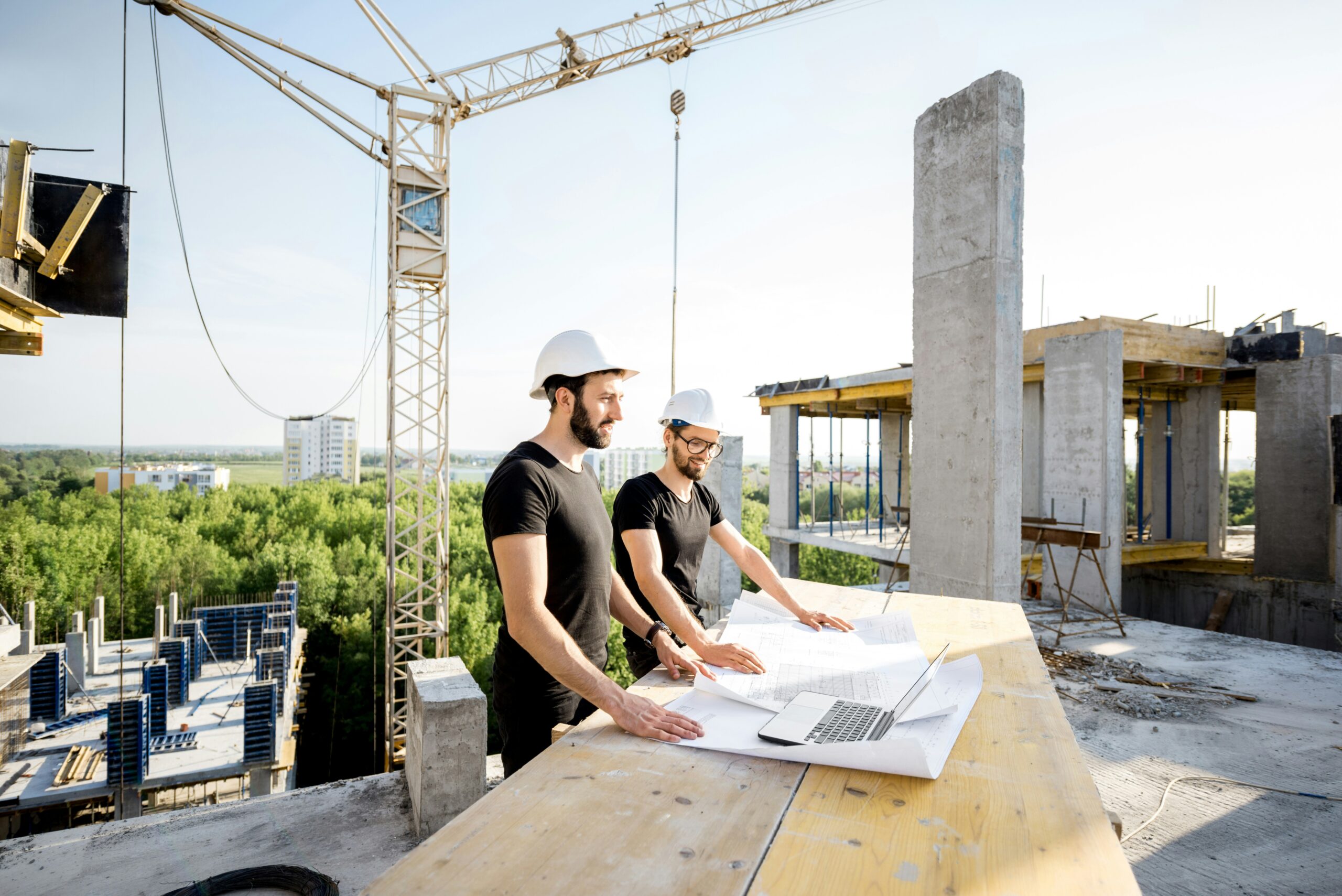
Building at high altitudes presents unique challenges that influence material selection. The combination of low temperatures, high winds, intense UV exposure, and fluctuating moisture levels makes conventional materials less reliable. Developers and architects must understand the environmental conditions to choose materials that ensure durability, safety, and long-term performance. Selecting the wrong materials can lead to accelerated wear, structural damage, and increased maintenance costs, so careful planning is essential.
High-altitude construction often involves remote locations, which also impacts logistics and material handling. Transporting heavy or fragile materials can be costly and complicated, requiring durable yet lightweight solutions. By prioritizing materials that withstand harsh conditions and simplify construction, teams can improve efficiency while maintaining safety standards. The right choices contribute not only to structural integrity but also to the building’s overall lifespan.
Understanding Environmental Stress Factors
High-altitude environments expose buildings to extreme weather conditions. Low atmospheric pressure, strong winds, and temperature fluctuations place significant stress on structural elements. Materials must resist contraction and expansion cycles without cracking or warping, ensuring the building remains stable and safe under varying conditions.
Additionally, intense UV radiation at higher elevations can degrade some polymers, paints, and sealants. Materials that are UV-resistant or treated with protective coatings maintain their performance longer. Moisture from snow or ice can penetrate porous materials, leading to corrosion or mold. Understanding these stress factors allows architects to prioritize materials with proven resilience in similar environments.
Structural Materials for High-Altitude Buildings
Steel and reinforced concrete remain popular choices for structural elements because of their strength and flexibility. High-strength steel alloys resist bending and maintain stability under heavy wind loads, while concrete mixed with air-entrained aggregates withstands freeze-thaw cycles. Using these materials reduces the risk of structural failure while allowing for larger spans and taller designs, which can be necessary for mountain or plateau environments.
Engineered timber also plays a role in high-altitude construction. Modern wood products such as cross-laminated timber provide strength comparable to steel while offering a lighter option for remote projects. Timber can reduce transportation challenges and provide natural insulation. When combined with proper treatments against moisture and UV exposure, engineered wood can be both functional and sustainable.
Insulation and Thermal Protection
Maintaining indoor comfort at high altitudes requires excellent insulation. Materials must resist heat loss in extreme cold while allowing breathability to prevent condensation. Rigid foam panels, mineral wool, and spray foam are commonly used because they provide high R-values and resist moisture penetration. These materials also help lower energy costs by minimizing heating demand, especially in isolated locations where energy supply may be limited.
Roofing materials need careful consideration as well. Metal roofing with reflective coatings reduces snow buildup and ice formation, while insulated panels prevent heat transfer. High-performance glazing and double or triple-pane windows contribute to thermal efficiency. Together, these measures create a building envelope that protects occupants and structural components from extreme temperature swings.
Moisture Management and Durability
High-altitude buildings are subject to frequent snow, ice, and rainfall, making moisture management critical. Selecting materials that resist water absorption and corrosion prolongs structural integrity. Stainless steel, treated timber, and water-resistant composites prevent deterioration while reducing maintenance needs.
Additionally, proper sealing and drainage systems complement material selection: flashings, gutters, and moisture barriers direct water away from sensitive components. By combining durable materials with thoughtful design, builders ensure that moisture does not compromise safety or longevity. This approach supports a sustainable and low-maintenance structure suitable for high-altitude conditions.
UV Resistance and Surface Protection
UV exposure increases with altitude, making surface protection a key factor. Materials such as polymers, coatings, and paints must resist fading, cracking, and other forms of degradation under intense sunlight. UV-resistant coatings on metals and composites can extend the lifespan of building facades, window frames, and exterior finishes.
Choosing natural materials like stone or ceramics also provides inherent UV resistance. These materials remain stable under sunlight and temperature fluctuations, reducing the need for frequent replacement or maintenance. By combining UV-resistant options with protective coatings, buildings retain their appearance and structural reliability over time.
Lightweight and Transportable Materials
Logistics play a major role in high-altitude projects. Transporting heavy materials over mountainous terrain or unpaved roads can increase costs and construction time. Lightweight alternatives, such as engineered timber, aluminum alloys, and modular composite panels, help reduce transport challenges without compromising strength.
Prefabricated components also simplify construction. Modular designs allow sections to be assembled on-site quickly, reducing exposure to harsh weather during construction. By selecting materials that are both durable and transport-friendly, developers can improve efficiency while maintaining high safety and performance standards.
Sustainability Considerations
High-altitude environments benefit from sustainable material choices. Locally sourced stone, sustainably harvested timber, and recyclable metals reduce environmental impact and support long-term resource conservation. Materials with low embodied energy and high durability also lower the building’s carbon footprint over its lifespan.
Sustainable materials can also enhance thermal performance and reduce energy demand. For example, insulated timber panels offer both structural strength and energy efficiency, combining functionality with environmental responsibility. Integrating sustainability into material selection ensures that high-altitude buildings meet both ecological and economic goals.
Selecting materials for high-altitude construction requires balancing strength, durability, thermal efficiency, and sustainability. Steel, reinforced concrete, engineered timber, and advanced insulation materials provide reliable structural performance, while moisture-resistant and UV-protected surfaces ensure longevity. Lightweight, modular options simplify transportation and assembly, reducing costs and risks.
By understanding environmental stressors, prioritizing durable solutions, and integrating sustainable practices, developers can build high-altitude structures that are safe, efficient, and long-lasting. Thoughtful material selection minimizes maintenance, enhances energy performance, and preserves both safety and aesthetic appeal. In the end, the right choices create buildings capable of withstanding extreme conditions while supporting occupant comfort and long-term investment.