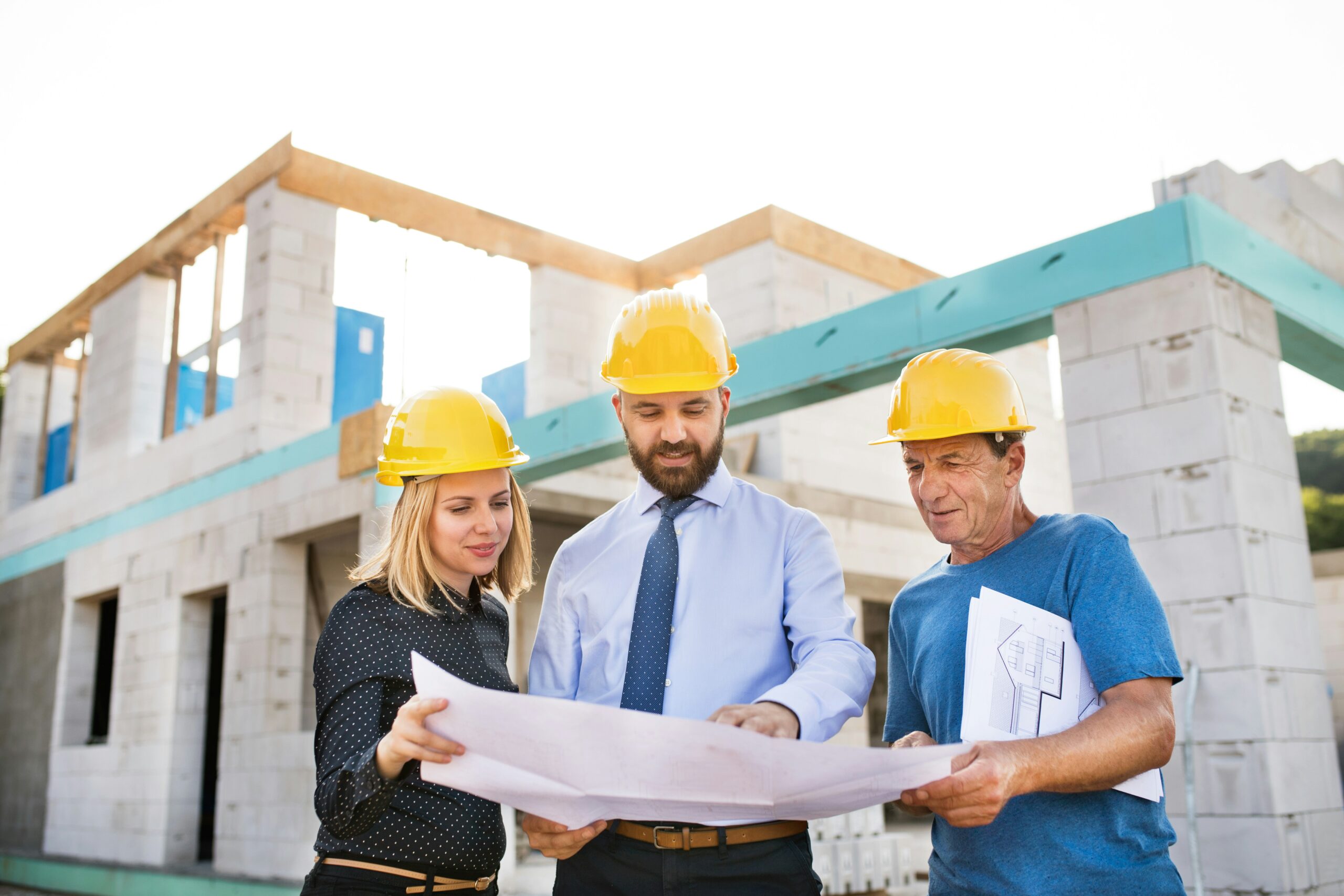
Residential Construction Project Management plays a major role in every successful home build. A strong project plan helps contractors, designers, and homeowners stay on the same page throughout the construction process. Without clear direction, delays, budget problems, and communication gaps can quickly affect the outcome. Because of this, construction companies now focus more on organized project systems that improve efficiency and customer satisfaction.
Today’s residential construction market continues to grow at a fast pace. As a result, builders face tighter deadlines, rising material costs, and higher client expectations. Effective project management helps teams handle these challenges while maintaining quality standards. In addition, it supports better decision-making during every stage of construction. From planning and scheduling to inspections and final delivery, the right management approach creates smoother workflows and stronger project results.
Why Residential Construction Project Management Matters
Every residential project involves many moving parts. Contractors must manage permits, labor schedules, materials, inspections, and client requests simultaneously. When teams lack organization, even small mistakes can create expensive delays. Therefore, professional project management keeps tasks organized and ensures that everyone understands their responsibilities throughout the project timeline.
Strong management also improves communication between builders and homeowners. Clients want updates, clear timelines, and fast answers during construction. Because expectations continue to rise, construction companies must deliver a transparent experience from start to finish. Residential Construction Project Management supports this goal by establishing structured communication systems that reduce confusion and build trust among all parties involved.
Planning Creates the Foundation for Success
Successful residential projects always begin with detailed planning. Before construction starts, project managers review budgets, timelines, labor needs, and site conditions. They also identify possible risks that may affect progress later. This early preparation allows teams to avoid common construction problems before they become serious issues.
In addition, planning improves resource allocation across the entire project. Builders can schedule subcontractors more effectively while ensuring materials arrive on time. This organized approach prevents downtime and keeps crews productive throughout construction. As a result, projects move forward smoothly while reducing waste, stress, and unexpected expenses for both contractors and homeowners.
Scheduling Keeps Projects Moving Forward
Construction schedules serve as roadmaps for residential projects. A clear schedule outlines when each task should begin and finish. It also helps teams coordinate inspections, deliveries, and subcontractor availability. Without proper scheduling, delays can spread across the entire project, increasing overall costs.
Modern scheduling tools now make project tracking easier than ever. Many construction managers use digital software to monitor timelines in real time. These systems help identify delays early so teams can make fast adjustments. Furthermore, accurate scheduling improves accountability because every contractor understands deadlines and project expectations from the beginning.
Communication Improves Team Performance
Clear communication remains one of the most important parts of Residential Construction Project Management. Construction projects involve architects, engineers, subcontractors, suppliers, and homeowners. Since many people participate in the process, misunderstandings can easily occur without proper communication systems.
Project managers create communication strategies that keep everyone informed throughout construction. Regular meetings, progress reports, and digital updates help reduce confusion and improve teamwork. In addition, fast communication allows teams to solve problems before they affect schedules or budgets. This proactive approach increases productivity while helping projects stay on track from beginning to end.
Budget Management Protects Profitability
Managing costs in residential construction requires constant attention. Material prices often change quickly, and labor expenses can increase unexpectedly. Because of this, project managers must monitor spending carefully throughout the project lifecycle. Effective budget control protects both contractor profits and homeowner investments.
Detailed cost tracking helps teams avoid financial surprises during construction. Project managers review invoices, labor hours, and material usage regularly to maintain accurate records. They also adjust plans when unexpected expenses appear. As a result, companies improve financial stability while delivering projects within agreed budget limits.
Technology Is Changing Construction Management
Technology continues to transform the residential construction industry. Today, project managers use software platforms that simplify scheduling, budgeting, and communication tasks. These digital tools improve visibility across projects and allow teams to access information quickly from any location.
Cloud-based systems also improve collaboration between office staff and field crews. Contractors can share updates, upload photos, and track project progress in real time. Because of these improvements, teams respond faster to problems and maintain stronger coordination throughout construction. Technology, therefore, plays a key role in improving the efficiency and quality of Residential Construction Project Management.
Risk Management Reduces Construction Problems
Every construction project includes potential risks. Weather delays, permit issues, labor shortages, and supply chain disruptions can affect timelines and budgets. However, experienced project managers prepare for these challenges before construction begins. This proactive mindset helps teams minimize disruptions and maintain steady progress throughout the project.
Risk management also protects client relationships during difficult situations. When unexpected problems appear, homeowners appreciate honest communication and fast solutions. Project managers who address issues quickly help maintain trust and confidence during construction. Consequently, strong risk management practices improve both project outcomes and customer satisfaction.
Leadership Drives Construction Excellence
Strong leadership creates better results in residential construction projects. Project managers must guide teams, solve conflicts, and maintain motivation throughout long construction timelines. Effective leaders also encourage accountability while supporting collaboration between contractors and subcontractors.
Good leadership also improves job-site culture. Teams perform better when expectations remain clear, and communication stays respectful. Moreover, motivated crews often complete work faster and maintain higher quality standards. Residential Construction Project Management, therefore, depends heavily on leadership skills that support teamwork, efficiency, and professional growth.
Quality Control Protects Long-Term Value
Homeowners expect quality artistry throughout their new home. Because residential projects represent major financial investments, builders must maintain high standards throughout construction. Quality control systems help project managers monitor artistry and ensure compliance with design specifications.
Frequent inspections and performance reviews allow teams to identify issues early. Correcting mistakes during construction costs less than fixing problems after project completion. In addition, quality-focused management improves company reputation and increases client referrals. Builders who consistently deliver strong results often gain long-term success in competitive residential markets.
Client Satisfaction Builds Business Growth
Satisfied homeowners often become valuable sources of future business. Positive client experiences lead to referrals, online reviews, and repeat opportunities for contractors. Therefore, Residential Construction Project Management should always prioritize customer satisfaction alongside project efficiency.
Project managers improve client experiences by maintaining transparency throughout construction. Homeowners appreciate regular updates, organized schedules, and responsive communication. In addition, projects that finish on time and within budget create stronger trust between clients and contractors. These positive relationships help construction companies build stronger reputations and long-term growth opportunities.