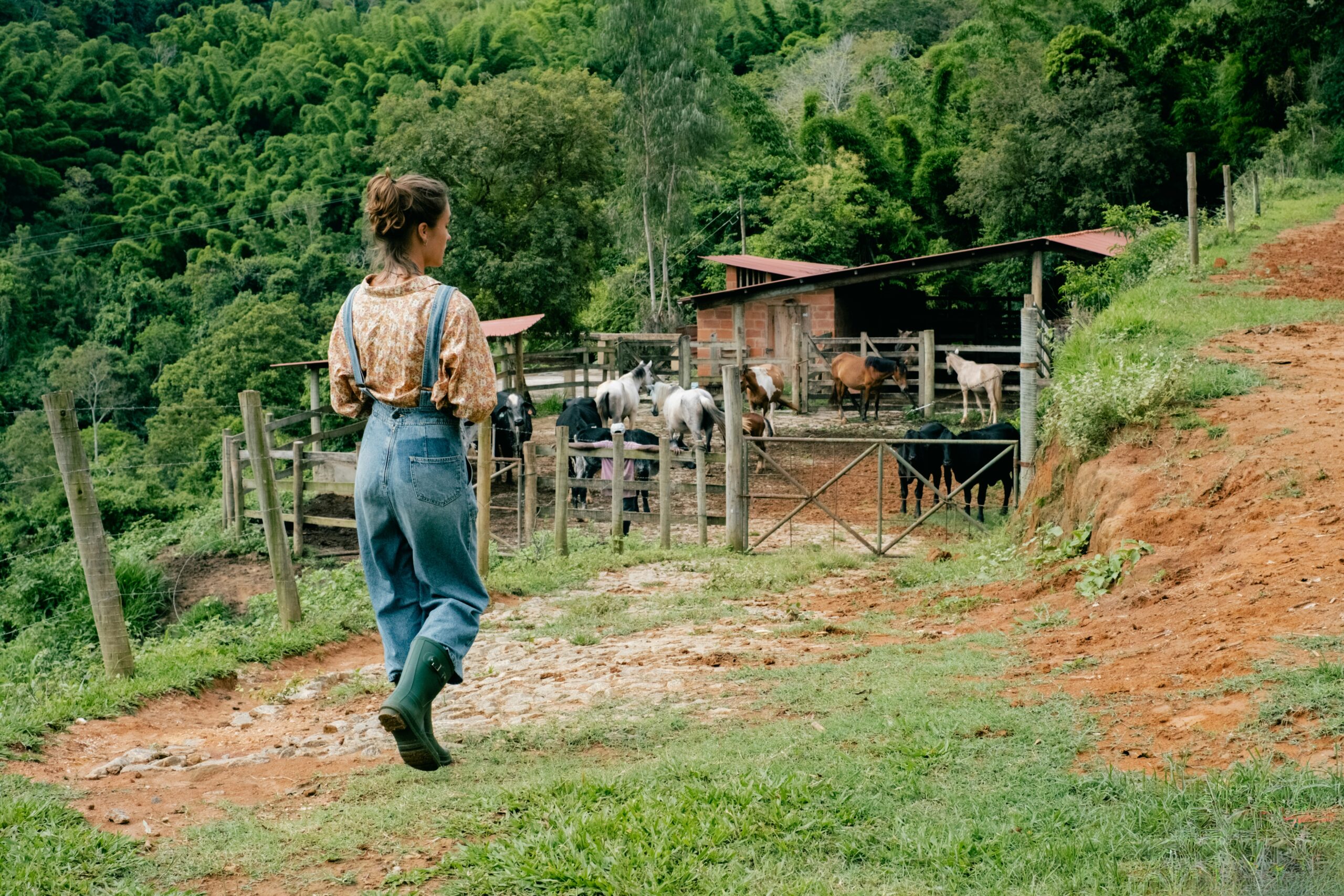
Rural development plays a key role in improving living standards, creating jobs, and expanding access to essential services. Projects such as roads, irrigation systems, renewable energy facilities, and housing developments can bring lasting benefits to local communities. At the same time, these activities may affect forests, rivers, farmland, wildlife, and other natural resources if not carefully planned. An Environmental Impact Assessment helps identify potential environmental impacts before construction begins, allowing developers and decision-makers to reduce risks while supporting responsible growth.
Why Environmental Impact Assessment Matters in Rural Planning
An Environmental Impact Assessment is a structured process that examines how a proposed development may affect the surrounding environment. It evaluates factors such as air quality, water resources, soil conditions, vegetation, wildlife habitats, and nearby communities. By studying these areas early, project planners can identify problems before they become costly or difficult to fix.
This process also supports better decision-making by providing reliable information to governments, investors, and residents. Instead of reacting to environmental damage after construction, project teams can adjust designs, select better locations, or implement protective measures to reduce adverse impacts while keeping development goals on track.
Protecting Natural Resources During Development
Many rural communities depend directly on natural resources for farming, fishing, forestry, and daily living. Rivers provide clean water, forests supply valuable materials, and healthy soil supports food production. Development that ignores these resources can reduce productivity and threaten local livelihoods.
Environmental Impact Assessment encourages careful management of these valuable assets. It identifies sensitive ecosystems and recommends practical actions such as protecting wetlands, limiting tree removal, controlling erosion, and preserving water quality. These measures help maintain the environmental foundation that rural economies rely on for long-term success.
Supporting Local Communities Through Public Participation
Successful rural development depends on more than engineering and financial planning. Community members often have valuable knowledge about seasonal flooding, wildlife movement, traditional farming methods, and local environmental conditions. Their experiences can improve project planning in meaningful ways.
An Environmental Impact Assessment promotes public participation by providing residents with opportunities to share concerns and suggestions. Community meetings, surveys, and consultations allow developers to understand local priorities before work begins. This open communication builds trust, reduces misunderstandings, and increases support for projects that reflect community needs.
Identifying Environmental Risks Before Construction
Construction activities may introduce several environmental challenges if potential risks remain unnoticed. Heavy equipment can compact soil, increase dust, disturb wildlife, or pollute nearby waterways. Poor planning may also increase flood risks or damage valuable agricultural land.
Environmental Impact Assessment helps identify these concerns during the planning stage. Experts conduct field studies, collect environmental data, and analyze possible outcomes under different development scenarios. With this information, project teams can redesign certain features, improve construction practices, and reduce harmful impacts before any major work starts.
Encouraging Smarter Land Use Decisions
Land is one of the most valuable resources in rural regions. Choosing the wrong project location can damage productive farmland, threaten protected habitats, or interfere with local water supplies. Careful site selection is essential for balancing development with environmental protection.
Environmental Impact Assessment compares different locations and evaluates their environmental sensitivity. Decision-makers can select areas that minimize ecological disruption while still meeting project objectives. Smarter land-use planning helps preserve important ecosystems and reduce conflicts between development and conservation efforts.
Conserving Wildlife and Biodiversity
Rural landscapes often contain habitats that support birds, mammals, insects, fish, and native plant species. Construction without proper planning can fragment habitats, disrupt breeding areas, and reduce biodiversity. Even small projects may have lasting ecological consequences if the needs of wildlife are ignored.
Environmental Impact Assessment identifies important habitats and evaluates how development may affect local species. Mitigation measures may include creating wildlife corridors, adjusting construction schedules during breeding seasons, protecting nesting sites, or restoring disturbed vegetation after project completion. These actions allow development to move forward while maintaining ecological balance.
Reducing Pollution During Project Implementation
Construction and development activities can generate dust, noise, waste materials, fuel spills, and air emissions. Without proper management, these pollutants may affect nearby residents, crops, livestock, and natural ecosystems.
Environmental Impact Assessment establishes pollution control strategies before construction begins. Contractors may be required to manage waste responsibly, reduce equipment emissions, control dust, limit construction noise, and safely store hazardous materials. Following these guidelines helps protect environmental quality throughout the life of the project.
Strengthening Climate Resilience in Rural Projects
Climate change has increased the frequency of floods, droughts, severe storms, and changing weather patterns in many rural regions. Development projects that ignore these changing conditions may become more vulnerable to future environmental challenges.
Environmental Impact Assessment incorporates climate-related considerations into project planning. Engineers and environmental specialists evaluate future risks and recommend stronger infrastructure, improved drainage systems, flood protection measures, and climate-resilient landscaping. Planning for changing environmental conditions helps projects remain effective for many years.
Ensuring Compliance With Environmental Regulations
Most countries require environmental reviews before approving major development projects. These regulations help protect natural resources, public health, and community interests while ensuring responsible investment.
Environmental Impact Assessment provides the documentation needed to demonstrate compliance with environmental laws and standards. Following established procedures reduces legal risks, improves project transparency, and increases confidence among investors, government agencies, and local stakeholders. Projects that meet regulatory requirements often experience smoother approval processes and fewer delays.
Long-Term Monitoring for Continuous Improvement
Environmental responsibility does not end when construction is completed. Conditions can change over time, and unexpected environmental issues may appear during project operation. Continuous monitoring ensures that protective measures remain effective.
An Environmental Impact Assessment often includes monitoring plans to track water quality, vegetation recovery, wildlife activity, pollution levels, and other environmental indicators. Regular inspections allow project managers to respond quickly if new concerns arise. This commitment to ongoing improvement supports sustainable rural development while protecting natural resources for future generations.
Environmental Impact Assessment is an essential part of successful rural development projects. It helps planners understand environmental conditions, reduce risks, protect natural resources, and involve local communities throughout the planning process. By identifying potential impacts early, development teams can make informed decisions that balance economic progress with environmental responsibility.
As rural areas continue to grow, careful environmental planning will become even more important. Projects guided by thorough Environmental Impact Assessment create stronger infrastructure, healthier ecosystems, and more resilient communities. This balanced approach supports sustainable development that benefits both present and future generations while preserving the valuable natural resources that rural communities depend on every day.