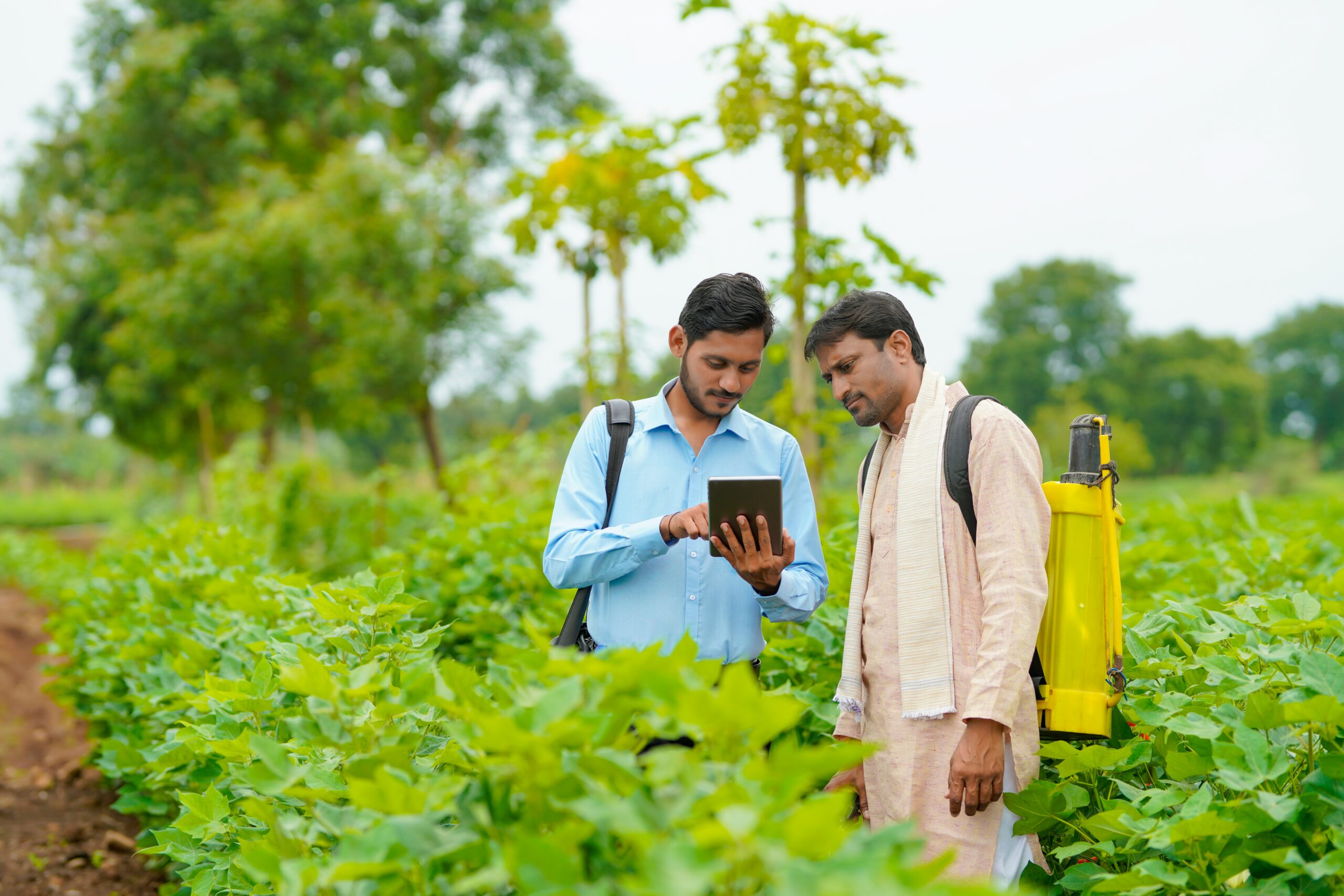
Rural development projects play an important role in improving communities by creating better infrastructure, increasing economic opportunities, and improving access to essential services. However, these projects can also affect natural resources and local ecosystems. Therefore, an Environmental Impact Assessment helps decision-makers understand potential environmental impacts before starting development activities.
An Environmental Impact Assessment is a process that evaluates how a proposed project may influence the surrounding environment. It considers factors such as land use, water resources, biodiversity, air quality, and community well-being. By identifying potential challenges early, developers can create plans that support growth while reducing environmental harm.
Why Environmental Impact Assessment Matters for Rural Communities
Rural areas often depend directly on natural resources for agriculture, fishing, forestry, and daily living. Because of this close connection with nature, development projects can cause significant changes if not carefully planned. Therefore, Environmental Impact Assessment helps protect the resources that rural communities rely on for their livelihoods.
Moreover, rural communities are often more vulnerable to environmental changes because they may have limited access to alternative resources. A poorly planned project can affect farming conditions, water availability, and local ecosystems. As a result, environmental assessment provides a valuable way to balance development needs with community protection.
Supporting Sustainable Infrastructure Development
Infrastructure projects such as roads, bridges, housing, and energy systems can transform rural communities. These improvements can create better transportation, increase economic activity, and improve living conditions. However, without proper planning, construction activities may damage natural areas or create long-term environmental problems.
Therefore, Environmental Impact Assessment helps developers design infrastructure projects that consider environmental protection from the beginning. It encourages careful decisions about construction locations, resource use, and project methods. As a result, rural infrastructure can support economic progress while maintaining environmental responsibility.
Protecting Natural Resources and Local Ecosystems
Natural resources are essential parts of rural communities. Forests, rivers, farmland, and wildlife areas provide valuable benefits for both people and the environment. Therefore, protecting these resources should remain a major consideration during rural development planning.
Environmental Impact Assessment helps identify areas that may require special protection. It allows project teams to understand how construction or land changes could affect plants, animals, and natural systems. Consequently, developers can make adjustments that reduce damage and support healthier ecosystems.
Improving Community Participation and Decision-Making
Successful rural development depends on the involvement of local communities. Residents often have valuable knowledge about local conditions, environmental changes, and community needs. Therefore, Environmental Impact Assessment creates opportunities for people to share their opinions and participate in important decisions.
Furthermore, community involvement helps build trust between developers and residents. When people understand project goals and potential impacts, they can provide meaningful feedback. As a result, development projects become more balanced, practical, and accepted by the communities they aim to support.
Reducing Environmental Risks Before Projects Begin
Every development project carries certain risks, especially when it changes land or uses natural resources. Environmental Impact Assessment helps identify these risks before construction starts. Therefore, developers can create solutions that prevent problems rather than respond after damage occurs.
Additionally, early risk identification can save time and money by avoiding future environmental conflicts. Projects that consider environmental concerns from the beginning often experience fewer delays and regulatory challenges. Consequently, careful assessment improves project efficiency while protecting surrounding areas.
Encouraging Responsible Use of Land and Resources
Land management is a major concern in rural development because many communities depend on agriculture and natural resources. Poor land decisions can lead to soil damage, water problems, and reduced productivity. Therefore, Environmental Impact Assessment supports better planning and responsible land use.
Moreover, responsible resource management helps ensure that future generations can continue benefiting from natural resources. Development should not only meet current needs but also protect long-term opportunities. As a result, environmental assessment supports a more sustainable approach to rural growth.
Supporting Climate-Resilient Rural Development
Climate change has increased the need for stronger and more adaptable development strategies. Rural communities may face challenges such as changing weather patterns, floods, droughts, and extreme temperatures. Therefore, Environmental Impact Assessment can help projects prepare for environmental changes and reduce future risks.
In addition, climate-conscious planning allows developers to create projects that remain useful under changing conditions. By considering environmental factors early, rural development initiatives can become more resilient and reliable. As a result, communities can better manage challenges while continuing to improve their quality of life.
The Role of Technology in Environmental Assessment
Modern technology has improved the way Environmental Impact Assessments are conducted. Digital mapping tools, satellite images, and data analysis systems allow experts to study environmental conditions more accurately. Therefore, technology helps create better decisions during rural development planning.
Furthermore, technology allows project teams to monitor environmental changes throughout the development process. This ongoing observation helps identify problems and improve management strategies. As a result, technology makes environmental assessment more effective and supports responsible development practices.
Creating Long-Term Benefits Through Careful Planning
Environmental Impact Assessment is not only about reducing environmental damage. It also helps create better projects that provide lasting benefits for communities. Therefore, careful planning allows rural development projects to support economic growth while protecting important environmental resources.
Moreover, projects designed with environmental awareness often create stronger relationships between communities, governments, and developers. These partnerships encourage responsible growth and improve future development efforts. As a result, Environmental Impact Assessment becomes an important tool for creating balanced and sustainable rural communities.
Challenges in Implementing Environmental Impact Assessment
Although Environmental Impact Assessment provides many benefits, implementing it can involve challenges. Some rural areas may lack technical resources, trained professionals, or detailed environmental information. Therefore, improving access to expertise and support is important for effective assessment practices.
Additionally, successful implementation requires cooperation among different groups, including governments, developers, and residents. When organizations work together, they can overcome challenges and improve project outcomes. Consequently, stronger collaboration helps ensure that environmental assessment delivers meaningful results.
The Future of Environmental Impact Assessment in Rural Development
The future of rural development will depend on creating solutions that support both people and the environment. As communities continue to grow, Environmental Impact Assessment will remain an important part of responsible planning. Therefore, future projects must continue focusing on sustainability and environmental protection.
Moreover, improvements in technology, research, and community involvement will make environmental assessments more effective. Developers will have better tools to understand impacts and create stronger solutions. As a result, the Environmental Impact Assessment will continue to help rural communities achieve development without sacrificing natural resources.