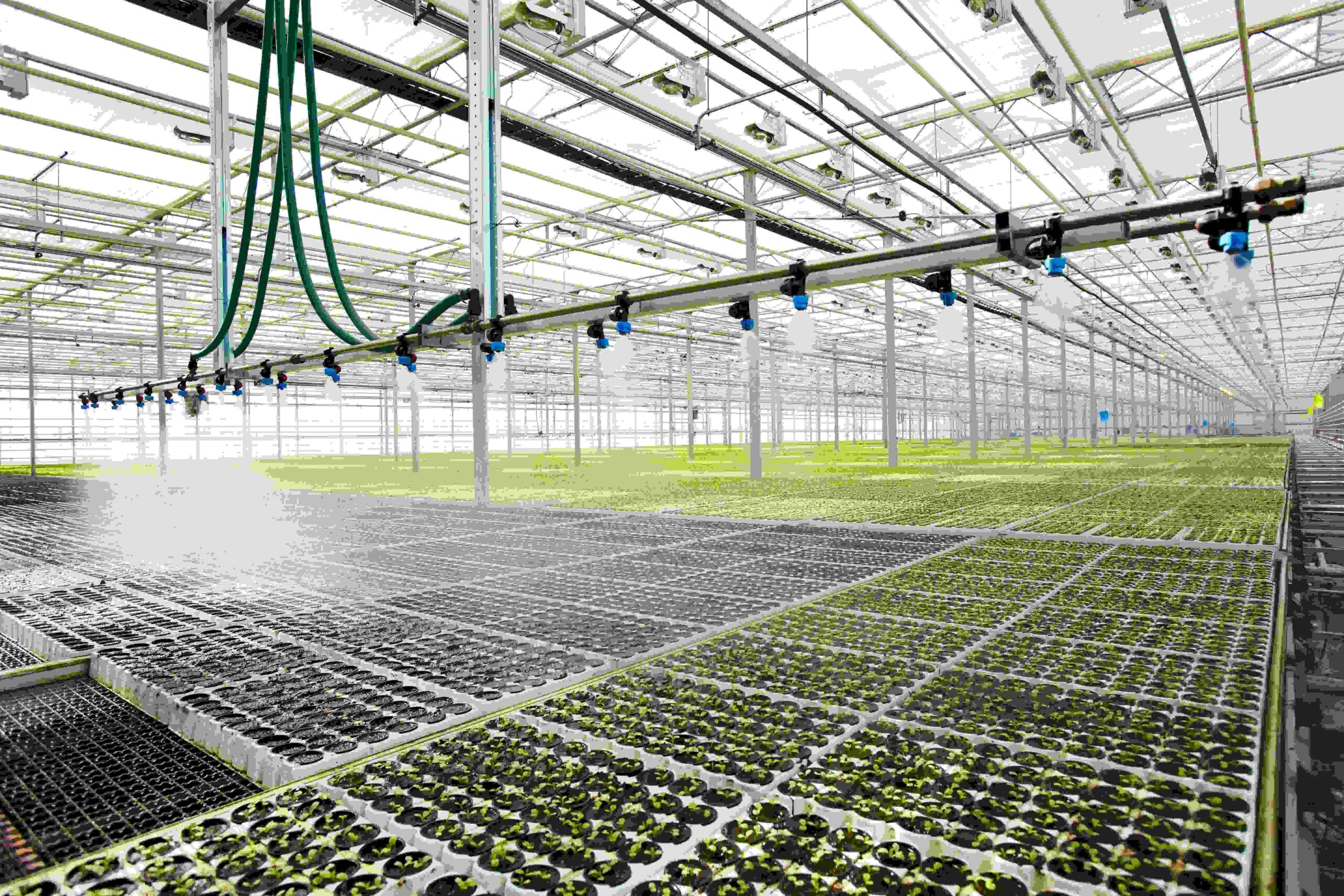
Water plays a vital role in successful ranch management. Healthy pastures, productive crops, and strong livestock depend on a reliable water supply. However, changing weather patterns, rising operating costs, and limited water resources make irrigation more challenging. Ranch managers must find practical ways to distribute water efficiently while protecting their land and supporting long-term productivity.
Modern irrigation techniques offer effective solutions to these challenges. Advanced watering systems help ranchers reduce waste, improve soil conditions, and maintain consistent plant growth. By choosing suitable methods and monitoring water use, ranch managers can strengthen their operations while conserving valuable resources. Understanding these techniques allows ranch owners to make informed decisions that support both environmental responsibility and financial stability.
Understanding the Importance of Efficient Ranch Irrigation
Efficient irrigation supports healthy pasture development and dependable agricultural production. When ranch managers distribute water evenly, plants receive the moisture they need for steady growth. Proper watering also helps maintain soil structure and supports healthy root systems. These benefits contribute to better grazing conditions and stronger land productivity throughout the growing season.
Poor irrigation practices can create serious problems. Excessive watering wastes resources and may cause soil erosion, nutrient loss, and waterlogged conditions. Insufficient watering can weaken grass growth and reduce available forage. Ranch managers who understand their land’s moisture requirements can avoid these issues. A well-planned irrigation approach helps balance water availability with the actual needs of pastures and crops.
Using Drip Irrigation for Targeted Water Delivery
Drip irrigation delivers water directly to plant roots through a network of small tubes and outlets. This method reduces surface evaporation and limits unnecessary water movement. It works particularly well for ranch gardens, orchards, shelterbelts, and high-value crops. Because moisture reaches specific areas, ranch managers can maintain healthier plants without soaking surrounding soil.
Installing drip irrigation requires careful planning, but its long-term benefits can be significant. Managers should consider soil type, plant spacing, water pressure, and maintenance needs before selecting a system. Regular inspections help prevent clogged outlets and damaged tubing. Although drip irrigation may not suit every large pasture, it provides an efficient solution for targeted watering across suitable ranch areas.
Improving Pasture Coverage With Modern Sprinkler Systems
Modern sprinkler systems distribute water across large areas through controlled spray patterns. Center pivot and traveling sprinkler systems can help ranchers irrigate forage crops and pastures efficiently. These systems cover substantial acreage while allowing operators to adjust watering schedules according to seasonal needs. Proper sprinkler placement also reduces uneven moisture distribution and supports consistent pasture development.
Ranch managers should match sprinkler equipment to field size, shape, soil conditions, and available water pressure. Wind can affect spray patterns and cause water loss, so operating conditions matter. Early morning watering often reduces evaporation compared with irrigation during hotter periods. Regular maintenance of nozzles, pipes, and pumps helps equipment perform efficiently and prevents avoidable water waste.
Monitoring Soil Moisture for Better Irrigation Decisions
Soil moisture monitoring helps ranch managers understand when their land needs water. Instead of following a fixed schedule, managers can measure moisture levels and adjust irrigation accordingly. Soil sensors provide useful information about conditions below the surface, where plant roots absorb water. These readings help prevent both excessive irrigation and dry soil conditions.
Different soil types hold water in different ways. Sandy soils generally drain faster, while clay soils retain moisture longer. Ranch managers should consider these differences when interpreting sensor readings. Combining moisture measurements with regular field inspections creates a clearer understanding of pasture needs. This approach supports healthier vegetation while reducing unnecessary pumping and operating expenses.
Adopting Smart Irrigation Controllers and Automation
Smart irrigation controllers help ranch managers manage watering schedules with greater accuracy. Many systems use weather information, soil moisture readings, and programmed settings to determine when irrigation should operate. Automated controls can reduce manual work and prevent irrigation during unsuitable conditions. These systems are particularly useful for ranches that manage several watering zones across large properties.
Automation also allows managers to respond more quickly to changing conditions. Some systems provide remote monitoring through mobile devices or computers. Ranch operators can review equipment status, adjust schedules, and identify unusual water use without visiting every field. However, automated systems still require regular inspection and proper setup. Technology works best when managers combine digital information with practical knowledge of their land.
Using Weather Information to Reduce Water Waste
Weather conditions strongly influence irrigation requirements. Temperature, rainfall, humidity, sunlight, and wind all affect how quickly water leaves the soil and plants. Ranch managers who track local forecasts can make more informed watering decisions. For example, delaying irrigation before expected rainfall may prevent unnecessary water use. Adjusting schedules during cooler weather can also help conserve resources.
Weather stations provide useful information about conditions across a ranch. Some advanced systems estimate how much moisture plants lose through evaporation and normal growth processes. Ranch managers can use this information to replace only the water their fields need. Although weather forecasts are not always exact, combining forecast information with field observations improves decision-making and reduces avoidable irrigation expenses.
Managing Water Pressure and Flow for Reliable Performance
Water pressure affects how effectively irrigation equipment distributes moisture. Excessive pressure can create fine droplets that drift away in the wind. Low pressure may prevent sprinklers from reaching their intended coverage areas. Both conditions can lead to uneven watering and wasted resources. Ranch managers should understand the pressure requirements of their equipment to maintain reliable performance.
Flow meters help measure how much water moves through an irrigation system. Managers can compare these measurements with expected usage to detect possible leaks or equipment problems. Regular checks of pumps, valves, filters, and pipelines also improve reliability. Maintaining suitable pressure and flow reduces energy waste and helps ranchers get better results from their existing irrigation infrastructure.
Choosing Water-Efficient Irrigation for Different Soil Types
Soil characteristics influence how quickly water enters the ground and how long it remains available to plants. Sandy soils often require smaller, more frequent watering sessions because moisture drains quickly. Clay soils absorb water more slowly and may need longer intervals between irrigation events. Ranch managers who understand these differences can develop watering schedules that match field conditions.
Land slope also affects irrigation performance. Water may run downhill before entering the soil, especially when irrigation rates exceed the ground’s absorption capacity. Applying water gradually can reduce runoff and protect valuable topsoil. Managers should inspect their fields regularly for standing water, dry patches, and erosion. These observations help identify areas where irrigation settings need adjustment.
Protecting Water Resources Through Sustainable Practices
Sustainable irrigation begins with responsible water use. Ranch managers can reduce unnecessary consumption by repairing leaks, maintaining equipment, and matching watering schedules to actual pasture needs. Healthy soil also plays an important role. Soil with suitable organic matter and good ground cover can absorb and retain moisture more effectively. This allows plants to use available water efficiently.
Protecting nearby streams, ponds, and groundwater sources should remain a priority. Excessive irrigation can carry soil particles and nutrients into surrounding waterways. Maintaining vegetated areas near water sources and preventing runoff helps protect the local environment. Ranch managers should also understand applicable water rights and regulations. Responsible water management supports long-term ranch productivity and helps preserve resources for future agricultural needs.
Balancing Irrigation Costs With Long-Term Productivity
Modern irrigation equipment can require a substantial initial investment. Ranch managers should evaluate installation costs, energy requirements, maintenance expenses, and expected water savings before upgrading. The most expensive system is not always the most practical choice. An effective irrigation plan should match the ranch’s size, water supply, soil conditions, and production goals.
Long-term savings often come from improved efficiency and reduced waste. Better water distribution can support stronger forage growth while lowering unnecessary pumping costs. Automated systems may also reduce labor requirements and simplify routine operations. Ranch managers should compare available options and consider improvements that offer measurable benefits. Careful financial planning helps ensure irrigation upgrades contribute to lasting operational success.