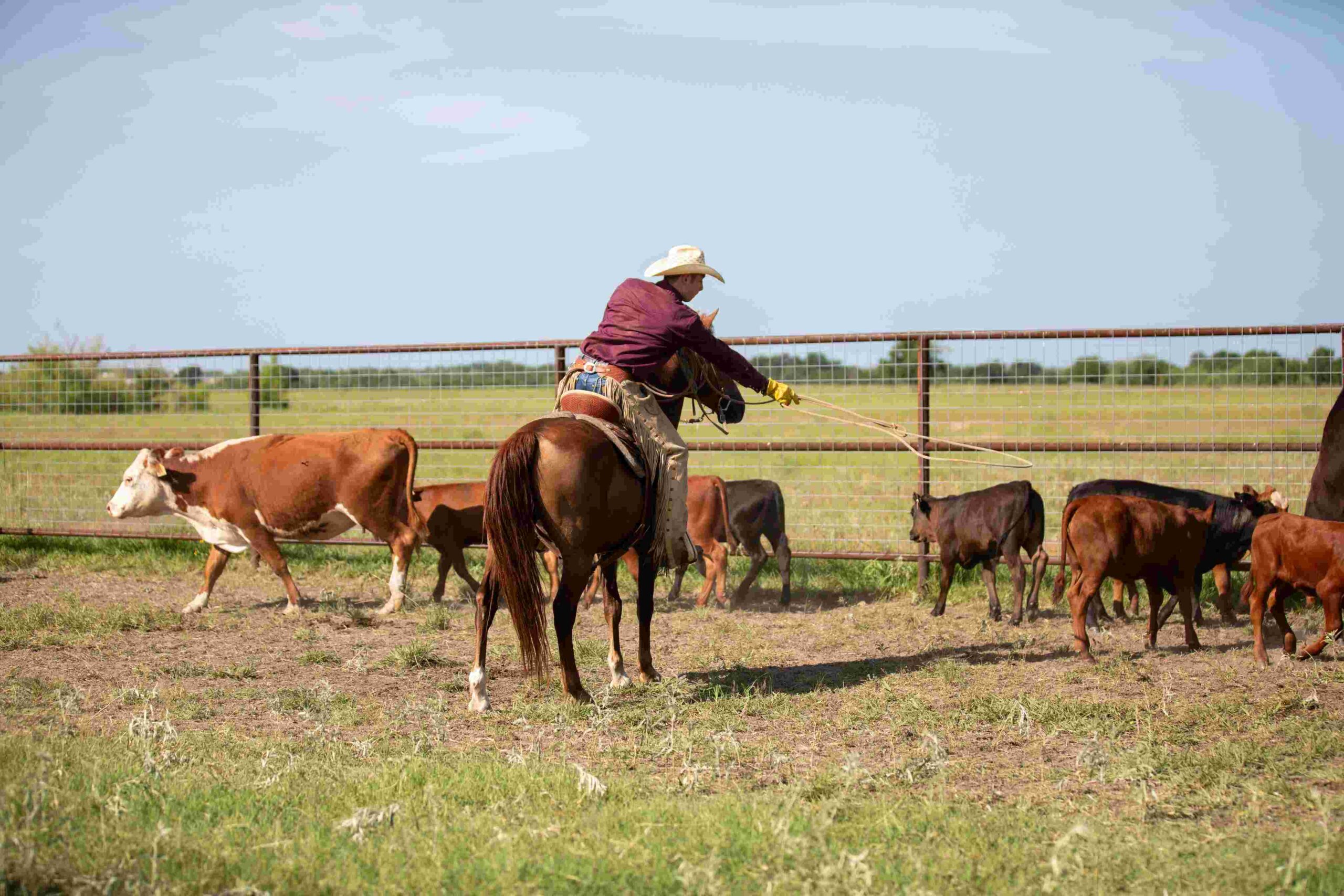
Ranch management requires a combination of practical knowledge, leadership, and sound decision-making. Modern ranch managers oversee livestock, maintain grazing land, supervise employees, and control operating expenses. They must also respond to changing weather conditions, market demands, and new agricultural practices. These responsibilities make ranch management a challenging profession that requires continuous learning and careful planning.
Successful ranch managers understand that daily operations affect long-term productivity. They balance animal health, land conservation, financial stability, and employee performance. While experience remains valuable, modern ranching also demands strong communication, problem-solving, and organizational skills. Professionals who develop these abilities can improve efficiency, reduce unnecessary expenses, and build more resilient agricultural operations.
Understanding Livestock Health and Animal Behavior
Livestock care remains one of the most important responsibilities in ranch management. Managers must recognize normal animal behavior and identify early signs of illness, injury, or stress. Changes in appetite, movement, or drinking habits may indicate health concerns. Close observation allows managers to respond quickly and prevent minor problems from becoming serious. Understanding the needs of different livestock groups also supports better feeding, breeding, and housing decisions.
Effective livestock management requires consistent routines and cooperation with qualified veterinarians. Ranch managers should maintain accurate health records, follow vaccination schedules, and provide suitable nutrition. They must also understand how weather conditions influence animal comfort and performance. During extreme heat or cold, managers may need to adjust shelter, feeding, and watering arrangements. These practices protect animal welfare and support steady ranch productivity.
Developing Strong Leadership and Communication Skills
Ranch managers often supervise employees who perform physically demanding tasks across large properties. Clear leadership helps workers understand their responsibilities and complete assignments safely. Managers must communicate daily priorities, explain procedures, and provide useful feedback. When employees receive clear instructions, they can work more confidently and avoid preventable mistakes. Strong leadership also creates a workplace where employees feel comfortable reporting concerns.
Good communication involves listening as well as giving directions. Ranch employees often notice equipment problems, livestock changes, or pasture conditions before managers do. Encouraging open discussions helps identify these issues early. Managers should also resolve disagreements fairly and recognize dependable performance. By building trust and maintaining consistent expectations, ranch leaders can improve teamwork, reduce confusion, and create a more productive working environment.
Managing Ranch Finances With Confidence
Financial management plays a major role in the long-term success of a ranch. Managers must understand operating expenses, livestock sales, equipment costs, and seasonal income changes. Feed purchases, veterinary services, transportation, and property maintenance can place significant pressure on budgets. Careful financial planning helps managers identify unnecessary spending and make informed decisions about future investments.
Accurate records provide the foundation for responsible financial management. Ranch professionals should regularly review income, expenses, and available cash. They must also consider how changing livestock prices and unexpected repairs could affect profitability. Comparing planned expenses with actual spending helps reveal opportunities for improvement. Managers who understand their financial position can make better purchasing decisions and prepare for uncertain market conditions.
Improving Pasture and Grazing Management
Healthy grazing land supports livestock nutrition and reduces dependence on purchased feed. Ranch managers need to understand how different grasses grow, how soil conditions affect vegetation, and how grazing pressure influences pasture recovery. Allowing too many animals to remain in one area can weaken plant growth and expose soil to erosion. Careful grazing decisions help maintain productive land throughout the year.
Managers can improve pasture conditions by adjusting livestock movement according to available forage. Resting grazing areas give plants time to recover and develop stronger roots. Regular pasture inspections help identify invasive plants, damaged vegetation, and areas that need attention. Ranch professionals should also consider seasonal rainfall and soil moisture when planning grazing activities. These practices support healthier pastures and more dependable livestock feeding.
Building Effective Problem-Solving Abilities
Unexpected challenges are common in ranch operations. Equipment may fail during busy periods, livestock may escape damaged fencing, or severe weather may interrupt planned activities. Ranch managers must evaluate problems quickly and choose practical solutions. Strong problem-solving skills help them determine which issues require immediate attention and which can wait without creating additional risks.
Effective managers avoid making decisions based only on assumptions. They gather relevant information, consider available resources, and evaluate possible consequences before taking action. After resolving a problem, they review what happened and identify ways to prevent similar situations. This approach improves future decisions and encourages continuous learning. Over time, managers become better prepared to handle operational challenges with confidence.
Using Agricultural Technology Effectively
Modern technology provides ranch managers with tools that can simplify daily responsibilities. Digital record systems help track livestock health, breeding information, expenses, and equipment maintenance. Remote cameras and monitoring devices can also provide useful information about distant areas of a property. These tools allow managers to identify concerns without constantly traveling between locations.
Technology delivers the greatest value when managers understand how to use it properly. Before investing in new equipment, ranch professionals should consider whether it solves a genuine operational problem. They must also evaluate maintenance requirements, employee training, and long-term costs. Simple tools that improve accuracy or reduce repetitive work may provide greater benefits than expensive systems with limited practical value. Thoughtful technology adoption supports efficiency without creating unnecessary complications.
Protecting Water and Natural Resources
Responsible resource management is essential for maintaining productive ranchland. Water availability influences livestock health, pasture growth, and daily operations. Ranch managers must understand local water sources and recognize how weather conditions affect supply. They should also identify areas where leaks, poor drainage, or inefficient irrigation create unnecessary waste. Protecting water resources helps reduce expenses and supports reliable agricultural production.
Land conservation requires similar attention. Healthy soil absorbs rainfall, supports vegetation, and reduces erosion. Managers can protect these conditions by maintaining ground cover, controlling grazing pressure, and limiting unnecessary vehicle traffic across sensitive areas. They should also protect natural waterways from contamination. By making conservation part of routine management, ranch professionals can maintain productive land while supporting long-term environmental health.
Strengthening Time Management and Organization
Ranch operations involve many responsibilities that must happen at the right time. Feeding schedules, livestock inspections, equipment repairs, employee assignments, and seasonal activities all compete for attention. Without effective organization, important tasks may receive insufficient attention or become delayed. Ranch managers need clear priorities to keep operations running smoothly.
Good time management begins with realistic planning. Managers should organize daily responsibilities around livestock needs, weather conditions, and available labor. They can use calendars, maintenance records, and task schedules to coordinate work. However, flexibility remains important because unexpected situations can change priorities quickly. Organized managers know when to adjust plans and how to keep essential activities moving forward.
Understanding Agricultural Markets and Business Opportunities
Ranch profitability depends partly on conditions beyond the property. Livestock prices, feed costs, transportation expenses, and consumer demand can change throughout the year. Managers who follow relevant market developments are better prepared to make purchasing and selling decisions. Understanding these changes helps them evaluate opportunities without exposing the business to unnecessary financial risks.
Successful ranch professionals also build relationships with buyers, suppliers, veterinarians, and other agricultural service providers. Reliable business connections can improve access to information and essential resources. Managers should compare purchasing options, understand contract terms, and consider the long-term effects of major business decisions. Combining market awareness with practical ranch knowledge supports stronger financial performance.
Maintaining Workplace Safety and Emergency Readiness
Ranch work involves risks associated with livestock handling, machinery, vehicles, and changing weather conditions. Managers must recognize these hazards and establish safe working procedures. Employees need proper training before operating unfamiliar equipment or handling difficult animals. Regular inspections of fences, gates, machinery, and working facilities can help prevent accidents.
Emergency preparation is equally important. Ranch managers should establish clear procedures for severe storms, wildfires, livestock injuries, and equipment failures. Workers need to understand whom to contact and what actions to take during urgent situations. Maintaining accessible emergency supplies and reliable communication methods can improve response times. A strong safety culture protects employees, animals, and valuable ranch property.
Developing Adaptability and Long-Term Planning Skills
Agricultural conditions rarely remain predictable. Weather changes, rising expenses, labor shortages, and shifting market conditions can affect ranch operations. Successful managers recognize that methods that worked in previous years may need adjustment. Adaptability allows them to respond to new challenges while protecting essential business priorities.
Long-term planning helps ranch professionals prepare for future demands. Managers should evaluate infrastructure needs, livestock production goals, employee development, and financial resources. They must also consider how land conditions and available water supplies may change. Reviewing these plans regularly helps ensure that daily decisions support broader objectives. Adaptable managers combine experience with new information to guide responsible growth.